Marketing Fundamentals:
The Complete Guide to Fundamentals, Types, Models & Strategies
TL;DR (Key Takeaways)
Marketing fundamentals explain how businesses create awareness, attract the right audience, convert prospects into customers, and build long-term loyalty. In today’s digital-first world, marketing is no longer just promotion—it’s about understanding people, solving real problems, and delivering consistent value.
This guide covers:
- A modern definition of marketing and its evolution
- Core marketing fundamentals, including the 7 Ps framework
- Traditional and digital marketing fundamentals
- Popular marketing models, strategies, and trends shaping 2026
- How AI, automation, and community-led growth are redefining the fundamentals of marketing
If you want a complete, future-ready understanding of marketing fundamentals, this guide is for you.
What Is Marketing?
Traditional definition of marketing
Traditionally, marketing focused on advertising products, driving sales, and increasing distribution. The goal was to push messages to as many people as possible through mass media like print, TV, and radio.
Digital-era definition of marketing
In the digital age, marketing fundamentals revolve around understanding customer intent, behavior, and preferences. Marketing now includes SEO, content, social media, email, and data-driven personalization to attract and nurture customers.
AI-powered and community-driven definition
In 2026, marketing is powered by AI insights and community engagement. Brands focus on building trust, creating two-way conversations, and co-creating value with customers rather than just selling to them.
Evolution of Marketing
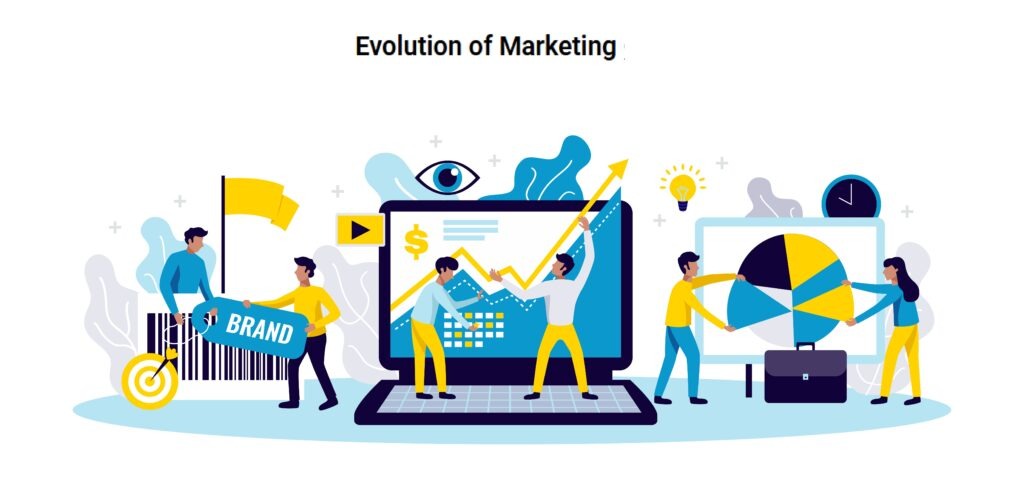
Product-centric marketing
Early marketing focused on product features and manufacturing efficiency. Businesses assumed customers would buy if the product was available and affordable.
Sales-driven marketing
As competition increased, marketing became more aggressive. The emphasis shifted to persuasion, promotions, and closing deals quickly.
Digital and data-driven marketing
With the rise of the internet, marketing fundamentals evolved to include analytics, targeting, and measurable performance across digital channels.
AI-powered, experience-led marketing
Today, marketing focuses on customer experience, automation, predictive analytics, and personalization at scale—making marketing smarter and more human at the same time.
Why Marketing Is Important for Businesses
Brand awareness and visibility
Marketing fundamentals help businesses stay visible where customers spend their time—search engines, social media, and digital platforms.
Customer acquisition
Effective marketing attracts the right audience, educates them, and converts them into paying customers.
Revenue growth
Marketing drives demand, supports sales teams, and creates predictable revenue pipelines.
Competitive advantage
Strong marketing differentiates your brand in crowded markets and builds preference over competitors.
Customer retention and loyalty
Marketing doesn’t stop after a sale. Ongoing engagement, personalization, and value creation keep customers loyal.
Marketing Fundamentals – The 7 Ps of Marketing

Purpose of the 7 Ps
The 7 Ps framework provides a structured way to plan, execute, and optimize marketing strategies by focusing on both product and experience.
Why it’s still relevant in 2026
Despite technological changes, the 7 Ps remain central to marketing fundamentals because they address customer expectations, service quality, and brand trust.
Product
Core product vs augmented product
The core product solves a problem, while the augmented product includes additional benefits like support, warranties, and user experience.
Product-market fit
Successful marketing fundamentals require aligning product features with real customer needs and market demand.
Product lifecycle management
Marketing strategies must evolve as products move from launch to growth, maturity, and decline.
Example
A SaaS tool that adds AI features based on customer feedback demonstrates strong fundamentals of marketing.
Price
Pricing strategies
Businesses use value-based, competitive, or freemium pricing to attract different customer segments.
Psychological pricing
Techniques like ₹999 instead of ₹1,000 influence buyer perception and decision-making.
Dynamic and AI-based pricing
AI enables real-time pricing adjustments based on demand, competition, and user behavior.
Example
Subscription platforms offering monthly and annual plans.
Promotion
Advertising channels
Promotion includes search ads, social ads, display advertising, and traditional media.
Content and influencer marketing
Educational content and trusted creators help build authority and trust.
Paid, owned, and earned media
A balanced mix ensures sustainable reach and engagement.
Example
An omnichannel campaign using blogs, YouTube, Instagram, and email.
Place
Distribution channels
Products must be available where customers prefer to buy—online, offline, or both.
Online vs offline presence
Digital-first brands still benefit from physical touchpoints for trust and experience.
Platform and marketplace models
Selling through Amazon, Shopify, or SaaS marketplaces expands reach.
Example
D2C brands using their website plus marketplaces.
People
Employees as brand ambassadors
Employees shape customer perception through service, communication, and support.
Customer service and experience
Positive experiences increase retention and referrals.
Community and relationship management
Brands that engage communities build stronger emotional connections.
Example
Companies known for fast, friendly support.
Process
Customer journey mapping
Understanding every touchpoint improves conversion and satisfaction.
Automation and workflows
Marketing automation improves efficiency and consistency.
CX optimization
Streamlined processes reduce friction and enhance experience.
Example
Automated onboarding emails for new users.
Physical Evidence
Website UX/UI
A clean, fast, and intuitive website builds trust.
Brand assets and packaging
Consistent visuals reinforce brand identity.
Reviews and trust signals
Testimonials and ratings influence buying decisions.
Example
Verified reviews displayed on landing pages.
Staying Up-to-Date With the Latest Marketing Trends
Why Marketing Trends Continuously Change
Technology evolution
New tools and platforms reshape how marketing is executed.
Consumer behavior shifts
Changing expectations demand more personalization and transparency.
Platform and algorithm changes
Search engines and social platforms constantly evolve.
Changing Consumer Demographics
Gen Z and Gen Alpha behavior
These audiences prefer authenticity, short-form content, and social proof.
Attention span changes
Clear messaging and engaging formats are critical.
Value-driven purchasing
Consumers support brands aligned with their values.
Emerging Technology in Marketing
Artificial intelligence and machine learning
AI improves targeting, content creation, and analytics.
Voice and visual search
Search behavior is becoming more conversational and visual.
Marketing automation
Automation supports scalability and efficiency.
Immersive and Web3 experiences
AR, VR, and virtual spaces enhance engagement.
Fluctuating Market Conditions
Economic uncertainty
Budgets fluctuate, requiring flexible strategies.
Demand volatility
Agile marketing adapts quickly to changes.
Agile marketing strategies
Testing and iteration are now core marketing fundamentals.
Cultural Shifts Impacting Marketing
Sustainability and ethics
Brands must demonstrate responsibility.
Diversity and inclusion
Representation builds trust and relevance.
Creator economy
Creators influence purchase decisions.
Community-led brands
Communities drive loyalty and advocacy.
Get a free Marketing Audit
Common Types of Marketing You Should Be Aware Of
- B2C Marketing: Emotion-driven, high-volume, fast decision cycles
- B2B Marketing: Logic-driven, long sales cycles, relationship-focused
- Inbound Marketing: Content-led growth and SEO
- Outbound Marketing: Direct outreach and paid advertising
- SEO & Content Marketing: Core digital marketing fundamentals
- Email & Social Media Marketing: Personalization and engagement
- Affiliate, Event, WOM, Print, TV, Radio Marketing: Support brand reach and credibility
How to Develop a Marketing Strategy
Each step—from customer research to optimization—ensures marketing fundamentals are executed with clarity, focus, and measurable outcomes.
Marketing Fundamentals That Work in 2026
- Customers are relationships, not transactions
- Brands are stories, not logos
- Advertising blends creativity with data
- Consistency builds memory
- Communities drive growth
The Fundamentals Relearned
Marketing has shifted from funnels to ecosystems, from campaigns to always-on engagement, and from control to collaboration.
How Marketing Fundamentals Influence Customer Retention
Strong marketing fundamentals build trust, deliver personalized experiences, and create emotional loyalty—key drivers of retention.
Common Types of Marketing Models
- AIDA: Guides customer journey
- STP: Improves targeting and positioning
- Porter’s Five Forces: Competitive analysis
- SWOT: Strategic planning
Popular Marketing Strategies Brands Use Today
Content, social, influencer, experiential, and relationship marketing all succeed when built on solid fundamentals of marketing.
Frequently Asked Questions
About Marketing Fundamentals

Boost Your Brand Visibility 🚀
Get personalized digital strategies that drive growth and engagement.
Let’s Talk📬 Stay Updated
Get the latest insights and guides delivered right to your inbox.
🔗 Related Topics
- Loading related posts...